
Best Real Estate in Spain 2025: Ultimate Buying Guide & Top Listings
Spain remains one of the most sought-after destinations for international property buyers thanks to its mild climate, high quality of life, favorable tax policies in many regions, and robust tourism demand. But with so many regions, property types, and legal rules to navigate, finding the best real estate in Spain for your needs can feel overwhelming. In this guide, you will discover how to buy property in Spain in 2025, which regions offer the highest returns, real examples of top listings, and a practical step-by-step buying guide so you can make a confident investment decision.
Why Investing in Spanish Real Estate Makes Sense
Spain’s real estate market today
Spain’s property market has shown resilience. After recovering from the 2008 crash, many regions have seen steady price growth, especially along the Mediterranean coast, the Balearic Islands, and major cities like Madrid and Barcelona. According to Idealista, average property prices in Spain rose by around 5–8 % year-on-year in many prime areas in 2024. (You should verify the most current data from national sources or local real estate boards.)
Foreign buyers are attracted by Spain’s Golden Visa program, relatively low property taxes in many regions, and favorable mortgage rates. Also, Airbnb and vacation rental demand remain strong in coastal zones, providing potential rental income upside.
Benefits, advantages, and challenges
Advantages
-
Strong lifestyle appeal: Mediterranean climate, culture, cuisine, good infrastructure, and healthcare.
-
Rental/resale potential: High tourist demand in coastal areas can yield rental returns or price appreciation.
-
Legal pathways: For non-EU buyers, Spain offers residency permits for real estate investors (subject to minimum investment thresholds).
-
Diversification: Real estate in Spain can diversify your international portfolio.
Challenges / Risks
-
Regional variation: Prices and regulations differ widely among Andalusia, Valencia, Catalonia, the Canary Islands, etc.
-
Legal & tax complexity: Foreign ownership, inheritance, capital gains tax, and local property taxes must be understood carefully.
-
Exchange rate & financing risk: If funding is in foreign currency, fluctuations matter; also, non-resident mortgage rates can be higher.
-
Liquidity and market cycles: In off-peak markets, selling may take time or require price reductions.
By understanding these tradeoffs and applying caution, you can navigate toward the best real estate in Spain rather than a bad investment.
Top Regions & Property Types to Target
Costa del Sol, Andalusia
Costa del Sol (e.g., Marbella, Malaga, Estepona) is a perennial favorite. Villas, beachfront apartments, and luxury developments are common. Why it’s appealing: easy access to airports, vibrant expat communities, golf courses, and strong summer rental demand.
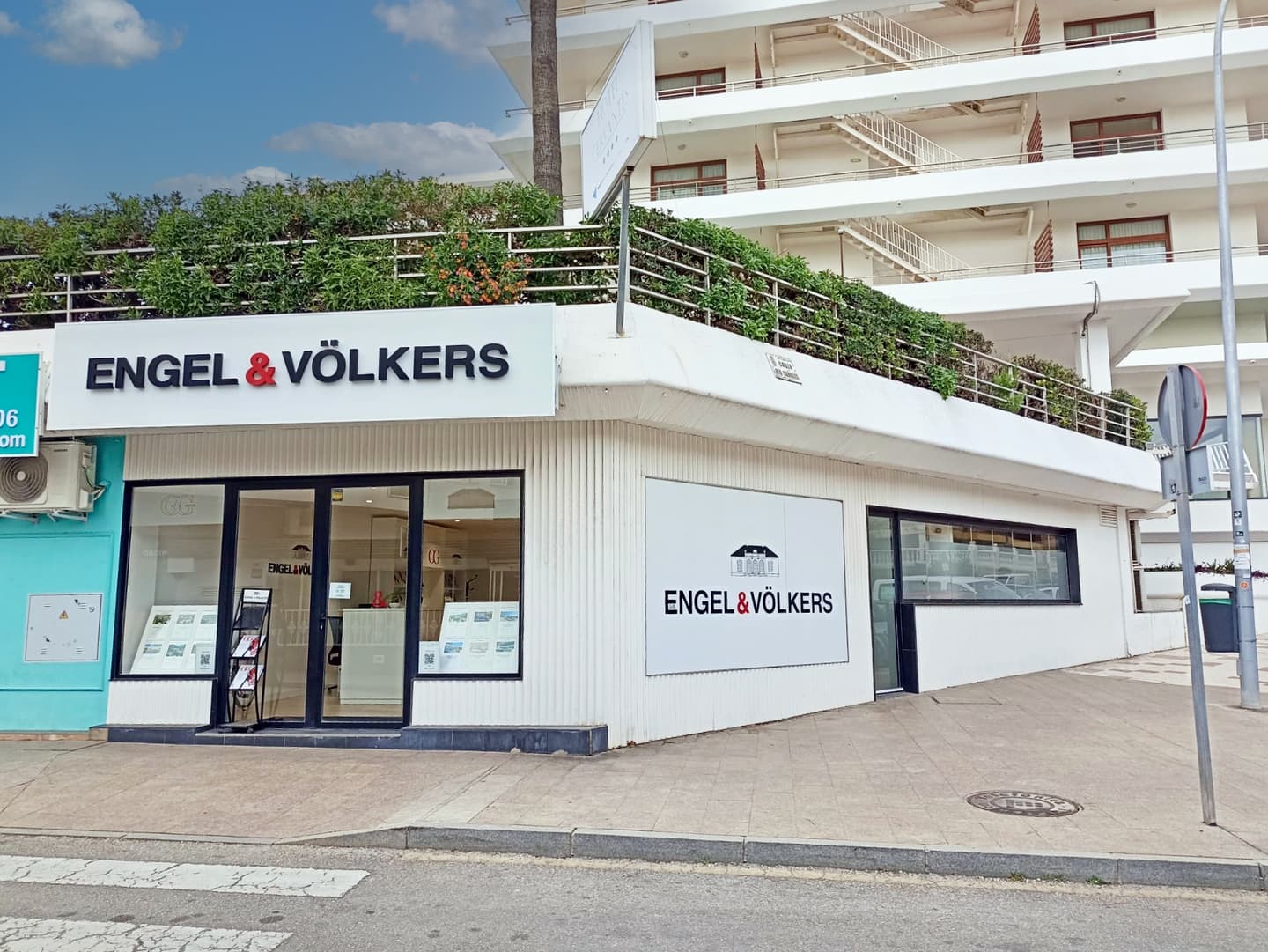
How it works: You would typically search via local real estate agents (e.g., Engel & Völkers, Spain Sotheby’s, Lucas Fox) or property portals, visit viewings, then proceed through reservation contracts and due diligence.
Benefit: Many buyers see 4–6 % gross yield in good segments (before expenses). It solves the problem of wanting a lifestyle and investment in one package.
Drawback: Premium prices, competition, and seasonal volatility.
Costa Blanca & Alicante Region
Often more affordable entry compared to the Costa del Sol. Good for mid-range investors. Many new-build complexes are aimed at foreign buyers, along with beach condos. Benefit: lower cost of entry, decent rental demand. Challenge: lower growth ceiling compared to ultra-prime zones, and infrastructure in rural zones may lag.
Balearic Islands (Mallorca, Ibiza, Menorca)
Premium segment with high demand for vacation rentals. Many luxury villas and boutique estates. Works well for investors who can absorb a higher entry cost for exclusivity and ROI potential. The challenge is higher maintenance, local regulations (e.g., tourist licensing), and stiff competition.
Madrid & Barcelona (City Real Estate)
For those seeking capital growth, city apartments in central neighborhoods can be strong bets. Benefits: stable demand, easier resale, and high liquidity. Challenges: higher taxes, strict regulations, and less seasonal income.
Rural Estates, Wineries, Historic Villas
These can offer unique value (large land, potential for agritourism). But they often require more capital for renovation and ongoing upkeep; legal hurdles may be more complex.
Illustrative Listings & Service Providers
(Each listing or service below is a real-estate provider or product offering; always verify up-to-date availability.)

-
Features: Luxury villa in Marbella’s Sierra Blanca, with sea views, high-end finishes, pool, and a large plot.
-
Pros: Prestige branding, turnkey quality, strong resale potential.
-
Cons: Very high price, competition, and maintenance costs.
-
Price range: ~€5M+ (depending on site and finishes).
-
ROI / Use case: For ultra-high-net-worth buyers seeking prestige and long-term capital gain. According to some client reviews, buyers expect ~3–4 % net yield after taxes in premium Marbella markets.
-
Features: A portfolio of new developments: beachfront apartments, townhouses, penthouses.
-
Pros: Developer warranties, modern amenities, marketing support.
-
Cons: Off-plan risk, slower delivery, potential delays.
-
Price range: €300,000 to €2 M+.
-
ROI / Use case: Ideal for mid to high segment buyers wanting new construction with lower maintenance.

-
Features: A government-backed program that grants residence permits for qualifying real estate investments (thresholds vary, often ~€500,000).
-
Pros: Residency/permanent residence benefits, legal certainty.
-
Cons: Minimum holding periods, regulatory changes risk.
-
Price range: €500,000+ investment properties (or portfolio).
-
ROI / Use case: For international buyers seeking both property and residency in Spain with legal protection and immigration benefits.

-
Features: A subscription listing service enabling agents/developers to promote listings more prominently and get analytics.
-
Pros: Better visibility, advanced filters, higher lead volume.
-
Cons: Cost, competitive marketplace.
-
Price range: Varies by region and package.
-
ROI / Use case: For real estate agencies or private sellers wanting maximum exposure to buyers searching “buy property in Spain 2025”.
-
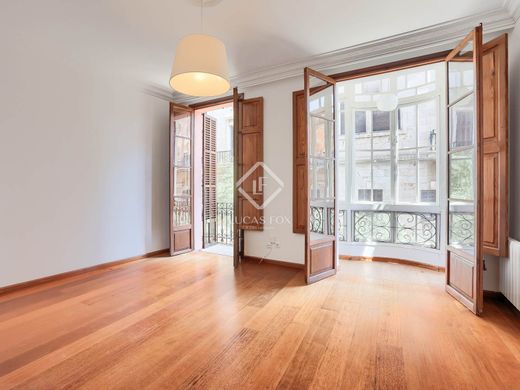
Features: Luxury city apartment in a prime Barcelona district, modern interiors, and walkable location.
-
Pros: Strong urban demand, easier resale, stable pricing.
-
Cons: Higher taxes, less dramatic yield than holiday rentals.
-
Price range: €1M+ for prime zones.
-
ROI / Use case: For those focused on capital growth and daily living rather than seasonal income.
These examples cover both coastal, premium, urban, new development, and service offerings to help readers see real-world options.
How to Choose the Best Property: Buying Guide & Strategy
Step 1: Determine your goal & budget
Decide whether your priority is lifestyle use (vacation home), investment (rental income + capital appreciation), or residency / Golden Visa. That will shape your budget, region selection, and risk tolerance. Always include a buffer for taxes, legal fees (2–10 %), notary, and renovations.
Step 2: Choose region and property type
Use data (e.g., average yields, historical growth) to compare regions. Check local regulation (tourist licensing, rental caps). For example, in Barcelona, short-term rental licenses are heavily regulated.
Step 3: Work with trusted local agents & perform due diligence
Select reputable agencies with proven track records. Request legal title checks, land registry searches, building permits, and inspection reports. Engage a local lawyer to audit the purchase contract (contrato de arras → escritura).
Step 4: Financing & negotiation
If not paying cash, explore non-resident mortgage options. Interest rates and loan-to-value ratios may be less favorable. Always include a buffer and negotiate price offsets for defects or delays.
Step 5: Close the deal & post-purchase compliance
Once the escritura pública is signed before a notary and funds are transferred, register the property in the Land Registry. Then handle local taxes (Impuesto de Transmisiones Patrimoniales or IVA for new builds), recurring property tax (IBI), community fees, and tourism license if applicable.
Where & How to Buy (marketplaces and urgency)
-
Use national portals: Idealista, Fotocasa, Kyero, Rightmove Overseas.
-
Use premium agencies (Lucas Fox, Engel & Völkers, Spain Sotheby’s).
-
Attend developer fairs/property expos in your home country.
-
Check off-market deals (local agents often know non-listed deals).
Urgency / FOMO tactics:
-
Developers often offer early-bird discounts or limited-time financing incentives (e.g., “€20,000 discount for first 10 buyers”).
-
Mortgage rates may rise — locking financing now may save money later.
-
The Spanish Golden Visa rules may tighten or the threshold increase — acting now can lock current rules.
Call to Action:
Buy Now – Claim Your Free Quote Today
Contact a certified Spain property agent to send you curated listings matching your criteria, or book a viewing trip while favorable exchange rates apply. Don’t wait until inventory is gone.
FAQ (for FAQ Schema)
Q1: Can non-EU citizens buy property in Spain?
Yes — Spain allows non-EU citizens to purchase property without major restrictions. You may also qualify for the Golden Visa program with a minimum real estate investment (generally €500,000, subject to change).
Q2: What are the annual costs and taxes after purchase?
You must pay property tax (IBI), community fees (if in a development), income tax on rental earnings (if you rent), plus municipal waste, local services, and possibly non-resident tax if you don’t live full-time in Spain.
Q3: How long does it take to complete a property purchase in Spain?
Typically, 2 to 3 months from the reservation deposit (contrato de arras) to signing the notary deed (escritura). Off-plan or complex properties may take longer (6–12 months or more).
These questions address common buyer concerns about eligibility, recurring costs, and timeline.
Conclusion
Investing in Spain real estate in 2025 offers a compelling blend of lifestyle, rental potential, and capital appreciation — especially when you target the best real estate in Spain carefully. By following this guide — from understanding regional dynamics, evaluating listings and service providers, due diligence, to closing the purchase — you can make a confident and informed decision. Use the examples above to explore real options and compare offers.
Don’t delay: contact a licensed Spain property specialist now, get your personalized offer, and take the step toward owning your dream property in Spain.
Buy property in Spain 2025 — claim your free quote today!